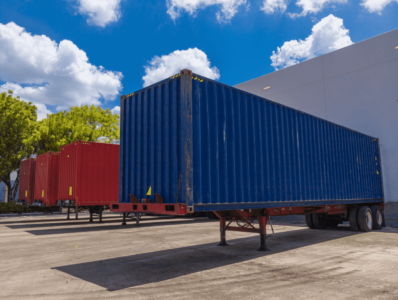
One of the most common arguments in container logistics is also one of the simplest: who unloads the box? A shipper assumes the driver will do it, a driver says he only delivers, and the warehouse says its team is not set up for loose-loaded freight. The result is a delayed delivery, an unhappy driver and an invoice no one expected. Here is how unloading labor and lumper fees typically work in Florida, and how to settle it before the truck arrives.
What a drayage driver does and does not do
A drayage driver’s job is to move the container from the terminal to your location and back. In most cases the driver does not unload the cargo. Safety rules, insurance and hours-of-service limits all discourage it, and many carriers prohibit it outright. The driver will back to the dock, open the container when appropriate and, for a live unload, wait while your crew works. For details on the difference between delivery styles, read drop-and-hook versus live unload.
What is a lumper?
A lumper is a third-party worker hired to load or unload freight, usually at a warehouse or distribution center. Lumper fees are charged per container, per pallet or per hour, and who pays depends on the contract between shipper, receiver and carrier. In container drayage, the term also covers outside labor crews that unload floor-loaded cargo for a fee. Because rules vary, never assume; agree in writing who pays.
Who pays: common arrangements
The consignee unloads with its own team
This is the usual arrangement for warehouses with dock staff. The cost is internal, but the consignee still pays for the time the driver and chassis are used. See driver detention at the warehouse.
The consignee hires a labor crew
Smaller businesses often bring in day labor or an unloading service for the container. Book it in advance, and share the container size, cargo type and expected time with the crew.
A transload provider unloads for you
If your site cannot unload, a facility such as a container freight station can do it, repalletize the freight and deliver it onward. Read our destuffing and devanning guide and learn about our container freight station.
How unloading problems turn into costs
- Detention or waiting time if the driver waits beyond the free window.
- Chassis and per diem if the container stays out longer than planned; see our chassis guide.
- Re-delivery or dry run fees if the receiver is not ready; see dry runs and TONU.
- Retail chargebacks if late unloading causes missed appointments; see retail DC appointments and OTIF.
Our overview of accessorial charges shows what each fee covers.
Safety and liability
Unloading is physically risky. Cargo can shift, doors can swing, and forklifts and people share a tight space. Whoever unloads is responsible for following safe practices; see how to unload safely. If a driver is injured while unloading outside the scope of his job, it can create liability problems for everyone involved. Make sure your crew is trained and insured.
A pre-delivery checklist
- Confirm who unloads and whether the driver is expected to help (usually, not).
- Tell the carrier whether cargo is palletized or floor-loaded.
- Book labor, forklifts and dock time for the delivery day.
- Decide on live unload or drop.
- Agree in advance on waiting-time terms.
If you are unsure how to staff the unloading, ask us when you request a quote, or read our FAQ for common questions.
Frequently asked questions
Does the drayage driver unload the container?
Usually no. The driver delivers the container and waits or drops it, while the consignee or a hired crew unloads the cargo.
What is a lumper fee?
It is a fee charged by a third-party worker or crew for unloading or loading freight at a warehouse. Rates and responsibility vary, so agree on payment terms before delivery.
How can I avoid waiting-time charges when unloading is slow?
Arrange a drop instead of a live unload, schedule enough labor and equipment, or use a transload facility to handle the unloading before delivery.