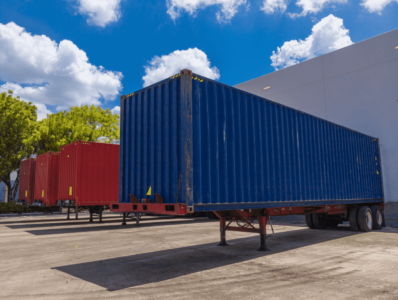
Two 40-foot containers can arrive at the same terminal on the same day, weigh the same, and need completely different treatment once they reach your dock. The difference is how the cargo was loaded. A palletized container can be emptied by one forklift driver in under an hour. A floor-loaded container full of individual cartons might take a crew of several people most of a day. Knowing which one you have, before the truck arrives, is one of the easiest ways to avoid delays and extra charges.
What the terms mean
Palletized cargo is stacked on pallets, usually wrapped or strapped, and moved with a forklift or pallet jack. Floor-loaded (also called loose-loaded or hand-stacked) cargo is placed directly on the container floor, carton by carton, bag by bag or piece by piece. Floor loading maximizes cube because it avoids the space pallets take, which is why overseas suppliers often choose it for lightweight consumer goods, apparel and some bulk packaged items.
How unloading differs
Labor and time
Floor-loaded freight must be unloaded by hand, with conveyors or extendable belts, and often repalletized afterward. That takes more people and more time, and the time matters because the driver, chassis and container are tied up while you work. Our article on driver detention at the warehouse explains how waiting time turns into charges.
Safety
Cartons can shift during transit and lean against the doors. Opening a container carefully matters in both cases but especially for loose-loaded freight. Review how to unload an ocean container safely before the crew starts.
Equipment
Palletized loads need forklifts with enough capacity and the right fork length, and a dock or ramp that can handle the weight. Floor-loaded loads need pallets, stretch wrap, tables and conveyors on site. Our guide on destuffing and devanning describes the process step by step.
Effects on drayage planning
Live unload or drop?
A palletized container is a good candidate for live unload because the driver waits briefly. A floor-loaded container is often better dropped so the driver can leave and your crew can work without a clock running on the truck. Compare both in drop-and-hook versus live unload.
Weight and axle limits
Loose-loaded freight can concentrate weight toward the front or rear if it was packed poorly, and that can cause a legal load to fail at the scale. See why container weight distribution matters.
Transloading
If your facility lacks the labor, a transload provider can unload and repalletize floor-loaded cargo before sending it to you. Our container freight station handles this kind of work.
Damage and claims
Floor-loaded cargo can be more exposed to crushing, moisture and handling damage, and it is harder to document at the door. Photograph the container before and after opening and note conditions on the paperwork. For next steps if something goes wrong, read how cargo damage claims actually work.
What to tell your carrier
- Whether the container is floor-loaded or palletized.
- Whether you have labor and equipment on site, and the dock hours.
- Whether you want live unload, drop or a transload.
- Any special handling, such as fragile goods or temperature requirements.
Ask your supplier for the loading plan on the commercial documents, and send the details with your quote request so the carrier can price and schedule the work accurately.
Frequently asked questions
How long does it take to unload a floor-loaded 40-foot container?
It varies with cargo, crew size and equipment, but a hand-unloaded container can take several hours or longer, while a palletized container may be empty in about an hour.
Can I request that my supplier palletize the cargo?
Yes, and many importers do. Palletizing reduces labor and damage risk but may reduce the quantity that fits in the container, so compare the total landed cost.
Who pays when unloading takes longer than expected?
Charges depend on your agreement. Waiting time, chassis days and per diem may all apply, so clarify terms with your carrier before the delivery.