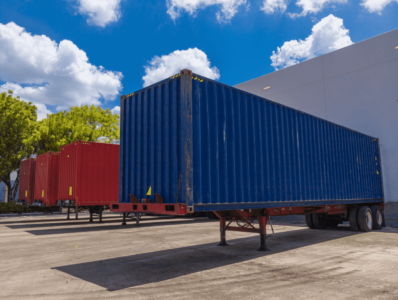
Every importer who ships paper goods, cartons, metal parts, furniture or food products has to deal with one invisible risk: moisture inside the container. Condensation, often called container sweat, can wet packaging, grow mold and rust metal without any leak or breach. South Florida’s heat and humidity make this a local issue, not just an ocean-voyage problem. Here is what causes it and what shippers and carriers can do about it.
What container sweat actually is
Air holds water vapor, and warm air holds more than cold air. When the air inside a container cools, it can no longer hold the same amount of vapor, and moisture condenses on the coldest surface it touches. There are two common patterns. Container sweat forms on the ceiling and walls when the outside air cools overnight, and drips onto cargo. Cargo sweat forms on the goods themselves when a cold product is exposed to warm, humid air, such as when a cold container is opened in a Miami afternoon.
What increases the risk
- Cargo that contains moisture, such as untreated wood, agricultural products, fresh-cut materials or inadequately dried goods.
- Long transit times through changing climates, especially from cold to tropical regions.
- Damp or poorly dried packaging and pallets.
- A container that has been sitting open or unventilated.
- Delays at ports or in yards, which add more temperature cycles.
Prevention starts at origin
Dry cargo and dry packaging
Ask suppliers to confirm that goods and packing materials are dry before loading. Wood packaging must also meet quarantine rules; see our guide to ISPM 15 wood packaging.
Desiccants and liners
Desiccant bags or rods absorb moisture and are widely used. Corrugated cardboard, kraft paper and similar liners on the ceiling and walls can protect cargo from drips. Ask your supplier what they use and how many units they place for the cargo volume.
Ventilated containers and proper stowage
Some cargoes, like coffee and cocoa, need ventilation or special handling. Read our guide on coffee and cocoa drayage for an example.
Prevention at destination
Do not leave containers sitting loaded longer than needed
Long dwell time means more heat cycles. Plan delivery and unloading promptly, and if the receiving site is not ready, store the container in a place that keeps it secure. Our yard storage and yard storage versus warehousing pages explain the options.
Open carefully and let the container breathe
If you notice condensation when opening the doors, photograph it right away, then ventilate the container before unloading. Avoid moving damp cartons directly into closed storage.
If you find wet cargo
Document the condition with photos and notes, check the container for holes, door gasket damage or leaks, and notify your cargo insurer, ocean carrier and supplier promptly. Time limits for claims can be short. Read how cargo damage claims work, container interchange and EIR damage claims and our overview of cargo insurance for drayage. A distinction matters: moisture from condensation can be different from water that entered through a damaged container, and the cause affects who is responsible.
Frequently asked questions
Is container sweat covered by cargo insurance?
It depends on the policy. Some policies cover moisture damage under certain conditions and exclude inherent vice or improper packing. Review your policy and ask your broker before shipping sensitive goods.
Do desiccant bags always work?
They help but do not solve every problem. They work best with dry cargo, appropriate quantities and a container that is in good condition and sealed.
What should I do if my container arrives with dripping walls?
Photograph it, notify your carrier and insurer, and ventilate before unloading. Keep damaged packaging for inspection until the claim is resolved.