
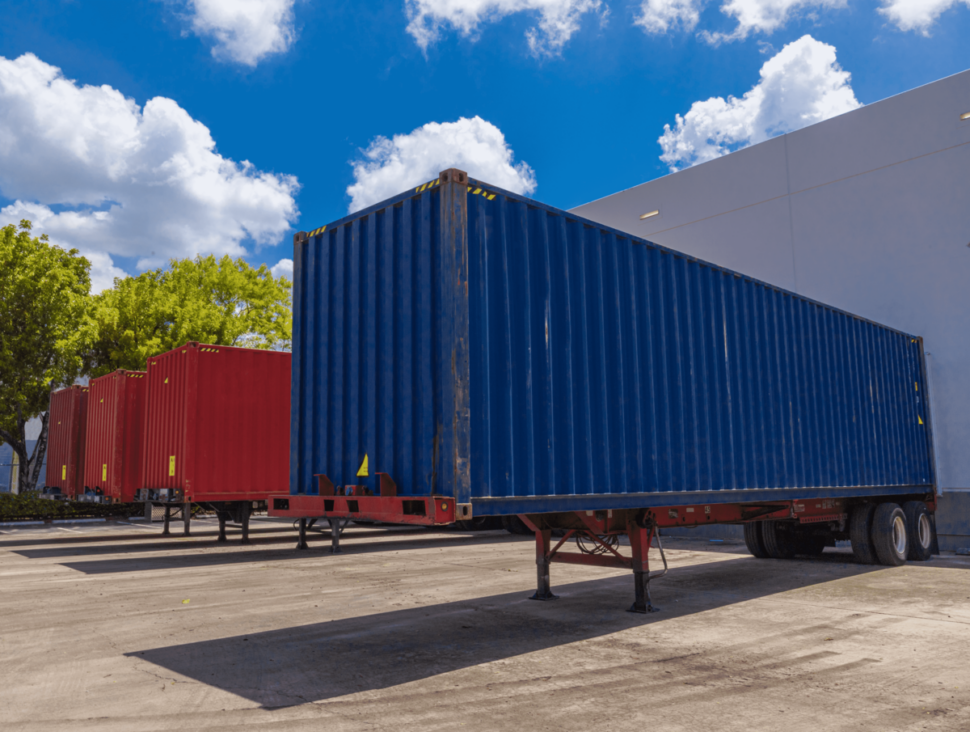
Reefer LTL lets Miami shippers move temperature-controlled freight that does not fill an entire refrigerated trailer by sharing space with other cold shipments. For food, beverage, floral, and pharmaceutical shippers in South Florida who ship pallets rather than full loads in 2026, reefer LTL keeps product in the right temperature range without paying for a […]
If you import less-than-container-load (LCL) freight through South Florida, your cargo passes through a container freight station (CFS) where a shared container is deconsolidated — unloaded and separated back into each importer’s shipment. Understanding the Miami CFS timeline and its charges in 2026 helps you plan pickups, avoid storage fees, and get your goods moving […]
When you send inventory into Amazon FBA from Miami, you generally choose between Small Parcel Delivery (SPD) — individual boxes moving through a parcel carrier — and Less-Than-Truckload (LTL) — palletized freight moving on a truck. The right choice depends on how many units you are sending, how they are packed, and how fast you […]
In Florida, a superload is an oversize or overweight move so large it exceeds the limits of a standard oversize/overweight permit and requires special routing, engineering review, and often police or pilot-car escorts. If you are moving transformers, construction equipment, tanks, or industrial modules through South Florida in 2026, understanding the superload process early is […]
White glove last-mile delivery in South Florida goes beyond dropping a box at the door: it means scheduled appointments, delivery into the room of choice, assembly or setup, debris removal, and careful handling of high-value or bulky goods. For furniture, appliance, fitness, medical, and premium e-commerce brands serving Miami-Dade in 2026, white glove is what […]
Transloading at PortMiami means transferring cargo from an inbound ocean container into domestic trailers — usually 53-foot dry vans — so it can move inland more cheaply and the ocean carrier’s container and chassis can be returned fast. For importers pushing volume through South Florida in 2026, transloading is one of the most effective ways […]
For Miami importers weighing duty deferral in 2026, the choice usually comes down to a Foreign-Trade Zone (FTZ) versus a customs bonded warehouse. Both let you bring goods into the U.S. without paying duty right away, but they differ in how long you can store, what you can do to the goods, and how duty […]
Cold chain warehousing in Miami keeps temperature-sensitive cargo — produce, seafood, pharmaceuticals, and specialty food — within a validated temperature range from the moment it leaves the reefer container to the moment it ships to the customer. In a 2026 South Florida market driven by Latin American perishable imports, an unbroken cold chain is the […]
At Port Everglades in 2026, demurrage is what the terminal charges when your import container sits inside the port past its free time, and detention is what the ocean carrier charges when you keep their container and chassis out in the field too long after pickup. Both clocks start fast and add up quickly, so […]
At PortMiami in 2026, most shippers get their chassis one of two ways: from a neutral chassis pool (a shared fleet you rent by the day) or from a carrier-owned or carrier-controlled chassis supplied by your drayage trucker. The pool is usually cheaper per day but adds split fees and availability risk; carrier-owned chassis cost […]