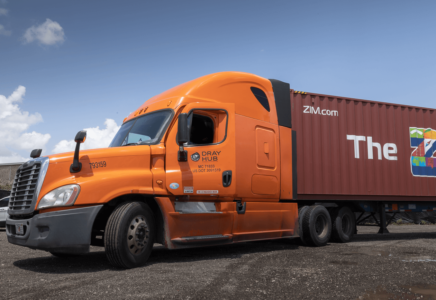
How truck appointment systems work at PortMiami and Port Everglades terminals, why slots run out, and how carriers keep containers moving.
How Terminal Appointments Work at PortMiami and Port Everglades
How Terminal Appointments Work at PortMiami and Port Everglades
If you’ve ever asked why a released container didn’t move for two days, the answer is often one word: appointments. South Florida’s marine terminals meter truck traffic through appointment systems, and the difference between a carrier that works those systems well and one that doesn’t shows up directly in your demurrage line. Here’s how the machinery works and what it means for your freight.
Why terminals use appointment systems
Terminals have finite gate lanes, yard cranes, and labor shifts. Without metering, trucks bunch up at opening hours, turn times balloon, and the whole port slows down. Appointment systems spread arrivals across the day so the terminal can stage containers before the truck arrives. When they work, everyone’s turn time drops. When slots are scarce — vessel bunching, short weeks, peak season — the appointment board becomes the real constraint on your supply chain, regardless of when your container was released.
The moving parts at PortMiami and Port Everglades
Each terminal operator manages its own gate rules and appointment windows, and details change — hours flex with volume, and holiday schedules shift weekly. The durable facts a shipper should know:
Appointments are per-container, per-window
A slot ties a specific container to a time window. Miss the window and you rebook — possibly for a day or two later when boards are full.
Slots open in waves
Terminals typically release appointment capacity a day or more ahead, sometimes adding same-day slots as the yard clears. Dispatchers who watch the board catch capacity that shippers never see.
Dual transactions are gold
Bringing an empty in and pulling an import out on one trip (“dual”) uses one appointment cycle for two moves. Carriers running steady South Florida volume can pair moves this way; one-off truckers usually can’t. It’s one of the quiet reasons volume carriers are faster and cheaper per move.
Availability ≠ appointment
A container can be discharged, released, and still unmovable because no slot exists. When you review carrier performance, separate “no appointment available” from “carrier didn’t book” — the fix for one is patience or escalation; for the other, a new carrier. Our step-by-step PortMiami import process guide shows where the appointment step sits in the full chain.
What good appointment discipline looks like in a carrier
- Booking at release, not at convenience. The board is checked the moment a container shows available, because today’s 3 p.m. slot won’t exist at 5.
- Standing coverage across all terminals. PortMiami’s terminals and Port Everglades operate independently; a carrier strong at one can be thin at another. Ask specifically.
- A buffer strategy for missed windows. When a warehouse cancels or a release slips, the container should move to a nearby yard rather than losing its slot cycle entirely. That’s the operational role of our 5-acre facility — pull the box when the slot exists, stage it until the dock is ready. See yard storage.
- Honest reporting. Dispatch should tell you “no slots until Thursday” the moment it’s true, not after Thursday.
What shippers can do on their side
Give your carrier lead time — booking drayage after the vessel arrives means competing for slots that opened yesterday. Keep receiving hours flexible during peak weeks; a dock that can take a 7 a.m. delivery uses appointment windows a 10-4 dock can’t. And build one day of slack into promised delivery dates during Q4 and hurricane season — our peak season planning guide covers the calendar in detail.
Frequently asked questions
Can I book a terminal appointment myself as a shipper?
No — appointments are booked by the motor carrier through the terminal’s system under the carrier’s credentials (SCAC, insurance, port ID). Your leverage is choosing a carrier that books aggressively.
Why are there no appointments if my container is released?
Released means customs and the ocean carrier have cleared it. Appointments are a separate capacity system — when vessels bunch or labor shifts are short, demand for slots simply exceeds supply for a day or two.
Do missed appointments cost money?
Directly, some terminals track no-show rates against carriers. Indirectly, a missed window can push pickup past Last Free Day, and then demurrage starts. The cost is real even when no fee is named “missed appointment.”