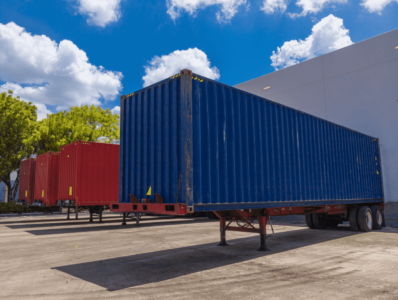
The ten pieces of information that make a drayage quote accurate, plus the questions to ask your carrier before accepting a rate.
What Your Drayage Carrier Needs to Quote Accurately: A 10-Point Checklist
What Your Drayage Carrier Needs to Quote Accurately: A 10-Point Checklist
Most drayage quotes come back slower and less accurate than they need to be, and the reason is almost always the request rather than the carrier. Drayage pricing depends on a specific set of facts, and when those facts are missing the carrier either guesses high or comes back with questions. This checklist covers exactly what to send so your first quote is close to your final invoice.
Why drayage quotes go wrong
A drayage rate is not one number. It is a base move plus a set of conditional charges that trigger based on weight, timing, equipment, and what happens at your dock. A carrier quoting without knowing those conditions is quoting the base and leaving the rest to be discovered on the invoice — which is how a quote and a bill end up looking like different documents and a good relationship goes sideways.
The fix is not negotiating harder. It is providing the facts that let the carrier price the whole move up front.
The core information every quote needs
1. Origin terminal — specifically
“PortMiami” is not enough. Terminals within a port differ in gate hours, queue times, and appointment behavior. Give the actual terminal if you know it, or the steamship line so the carrier can determine it.
2. Delivery address with ZIP code
Not the city. Rate zones in South Florida are tight, and the difference between a Medley address and a Homestead address is substantial. If the delivery point is residential, has limited access, or is inside a gated facility, say so — those change the price.
3. Container size and type
20-foot, 40-foot, 40-foot high cube, 45-foot. And type: standard dry, reefer, flat rack, open top, tank. Equipment availability and chassis requirements follow directly from this. Our container sizes guide covers the distinctions.
4. Gross weight — the real one
The single most valuable field. Weight determines whether standard or tri-axle equipment is needed, whether an overweight permit applies, and whether a chassis flip is likely. An estimate that turns out to be wrong at the gate is the most expensive mistake on this list. See overweight container drayage in Florida for the rules this triggers.
5. Commodity
Carriers need to know if the cargo is hazardous, temperature-controlled, high-value, or food grade. Each carries handling requirements, and hazmat in particular changes who can legally move the container.
6. Live unload or drop-and-hook
Whether the driver waits or leaves the container changes the cost structure completely. If it is live, estimate honestly how long unloading takes.
7. Last free day and per diem start
This tells the carrier how urgent the move is and whether storage strategy should be part of the quote. A container with two days left is a different job than one with a week.
8. Timing requirements
A flexible three-day window prices differently than a fixed morning delivery. If you need after-hours or weekend delivery, say so at quote time rather than requesting it later.
9. Return requirements
Where does the empty go, and who returns it? If you want the carrier handling the empty return, include it in the quote so it is not a surprise line item.
10. Volume and frequency
One container and forty containers a month are different conversations. If this is recurring volume, say so — it changes both the rate and how the carrier plans capacity for you.
Optional details that sharpen the quote further
- Whether the container may need staging before delivery (relevant to yard storage pricing).
- Whether the cargo will be transloaded to a domestic trailer rather than delivered in the container.
- Any customs status complications — in-bond moves, FTZ destinations, or bonded requirements.
- Whether your receiving facility has a dock, a forklift, or neither.
Questions to ask the carrier back
A quote is a two-way document. Before accepting one, ask:
- What is included in the base rate and what triggers additional charges?
- How much free waiting time at the delivery point is included?
- How are chassis charges handled — included, pass-through, or separate?
- Is fuel surcharge included or added, and how is it calculated?
- What happens if the container is not released on the scheduled day?
Our post on drayage accessorial charges explains the line items behind these questions. You can request pricing directly through the Go Drayage quote form.
A quick reusable template
Keep this in a note and paste it into every quote request:
Terminal / steamship line · Delivery address with ZIP · Container size and type · Gross weight · Commodity · Live unload or drop · Last free day · Required delivery date and window · Empty return needed? · Estimated monthly volume
Ten lines. It will save you more money over a year than any rate negotiation.
Frequently asked questions
Why do drayage quotes vary so much between carriers?
Usually because they include different things. One carrier’s base rate may include chassis and a fuel surcharge while another quotes those separately. Compare the all-in delivered cost with the same assumptions, not the headline number.
Do I need the exact container weight to get a quote?
You can get an indicative quote without it, but weight determines equipment and permitting, so an inaccurate weight is the most common cause of a quote and an invoice diverging. Provide the verified gross mass from your documents whenever it is available.
How long should a drayage quote take?
With complete information, a straightforward South Florida port-to-door move can typically be quoted the same business day. Incomplete requests take longer because the carrier has to come back with questions before pricing.