Moving hazmat containers through PortMiami or Port Everglades? Placarding, shipper paperwork, carrier credentials, and secure yard staging explained.
Hazmat Container Drayage in Miami: What Shippers Should Know
Hazmat Container Drayage in Miami: What Shippers Should Know
Hazardous materials move through South Florida’s ports every day: paints and coatings, batteries, aerosols, cleaning chemicals, fuels, and industrial gases bound for distributors across Miami-Dade and Broward. The drayage leg of a hazmat move is short in miles but heavy in compliance. Getting it right means the right paperwork before the container ever hits a chassis, the right placards on the equipment, and a carrier whose drivers and operations are actually built for regulated freight. Here’s what shippers should know before booking a placarded container through PortMiami or Port Everglades.
Hazmat drayage is a compliance exercise on wheels
Highway transport of hazardous materials in the U.S. is governed by the DOT’s Hazardous Materials Regulations, which cover classification, packaging, marking, placarding, shipping papers, and emergency response information. On a drayage move, those rules apply from the second the container leaves the terminal gate. There is no “short trip” exemption because the warehouse is only eight miles from the port. A placarded container crossing the causeway is subject to the same framework as one crossing the state.
That’s why hazmat drayage should never be dispatched like general freight. The container may look identical to every other 40-footer in the stack, but the planning behind it can’t be.
Documentation: the shipper’s responsibility
Under the hazardous materials regulations, the shipper (not the trucker) is responsible for properly classifying the material, selecting compliant packaging, and preparing accurate shipping papers, including the UN identification number, proper shipping name, hazard class, and packing group, along with emergency response information and a 24-hour emergency contact.
What a good drayage carrier does is verify before dispatch that the paperwork matches the move: that the shipping papers are in hand, that the declared class is one the driver and equipment are prepared for, and that nothing about the routing or delivery site creates a conflict. Catching a documentation gap at booking costs an email. Catching it at the terminal gate costs a day.
Placarding and equipment
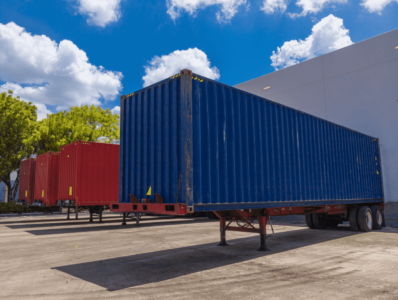
Placards are the diamond-shaped hazard signs displayed on all four sides of the container or trailer, and DOT rules dictate when they’re required based on hazard class and quantity. Drivers hauling placarded loads must hold a hazardous materials endorsement on their CDL, which itself requires a TSA security threat assessment. The equipment matters too: the container, chassis, and securement all need to be sound, because a routine roadside inspection becomes anything but routine when placards are on the box.
Because Go Drayage is an asset-based carrier running company-owned trucks, we control who is behind the wheel and what equipment is under the load, rather than passing a regulated shipment to whichever owner-operator is available that morning. Our full range of drayage services is built around that same direct-control model.
Why carrier certifications and memberships matter
Any carrier can say they “handle hazmat.” Credentials show whether a company has invested in doing it properly. Go Drayage maintains memberships and certifications that speak directly to regulated cargo:
- COSTHA (Council on Safe Transportation of Hazardous Articles), a leading association focused on hazmat transport safety and regulatory compliance.
- DGAC (Dangerous Goods Advisory Council), which supports safe dangerous goods transport across all modes.
- IHMM (Institute of Hazardous Materials Management), the credentialing body behind recognized hazardous materials management certifications.
- TSA, reflecting security vetting relevant to port and regulated-cargo environments.
Alongside those, we’re a U.S. Customs bonded carrier (bond number LBR8) and members of UIIA, TIA, and EPA SmartWay. For a shipper, the practical value is simple: when your compliance team or your insurer asks who touched the freight, the answer holds up.
Yard and staging considerations
Hazmat moves rarely line up perfectly. A consignee’s receiving window slips, a vessel arrives early, or an export container needs staging before its cut-off. Where a placarded container waits matters: it should be a secured, access-controlled facility, not a random lot. Go Drayage operates a 5-acre secured yard in Miami with 24/7 access and capacity for over 450 containers and trailers, which gives regulated shipments a controlled place to stage when schedules shift. Storage of hazardous materials is class- and situation-dependent, so talk through any staging needs with our team in advance; our yard storage page covers the facility in more detail.
Booking a hazmat drayage move in Miami
The best hazmat moves are boring, and boring takes preparation. When you request a quote, have the UN number, proper shipping name, hazard class, quantity, and delivery details ready; that lets us confirm driver, equipment, and routing fit before anything is dispatched. Start with a drayage quote or call (786) 445-0150 and tell us it’s a placarded load up front. From our headquarters at 3300 NW 110th St. in Miami, we run both PortMiami and Port Everglades daily, with real-time tracking on every container through our Go Truck Hub TMS.
Frequently asked questions
Who is responsible for hazmat shipping papers on a drayage move?
The shipper is responsible for classifying the material, selecting compliant packaging, and preparing accurate shipping papers with the UN number, proper shipping name, hazard class, and emergency response information. The carrier verifies the paperwork is in order before dispatching the move.
Does a container need placards for a short drayage trip?
Yes, if the hazard class and quantity meet DOT placarding thresholds. Placarding requirements apply regardless of trip length, so an eight-mile port move follows the same rules as a long-haul run, and the driver must hold a hazmat endorsement.
Why do hazmat certifications matter when choosing a drayage carrier?
Memberships in organizations like COSTHA, DGAC, and IHMM indicate a carrier invests in hazmat training, safety practices, and regulatory awareness. That reduces the odds of a rejected load, a roadside violation, or a compliance gap that lands back on the shipper.