Pier, inter-carrier, intra-carrier, expedited, shuttle, and door-to-door drayage explained — and how to pick the right type for your Miami container.
6 Types of Drayage Services Explained (2026 Guide)
6 Types of Drayage Services Explained (2026 Guide)
“Drayage” covers every short-haul container move, but the industry actually recognizes several distinct service types — and quoting the wrong one is a common reason invoices don’t match expectations. Here’s a plain-English breakdown of the six types of drayage, with South Florida examples.
1. Pier (port) drayage
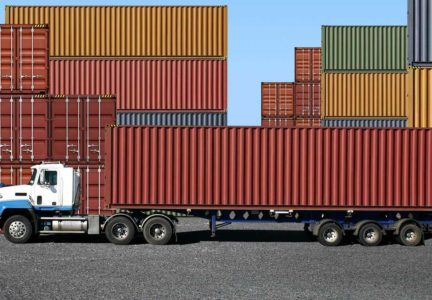
The classic move: a container comes off a vessel at PortMiami or Port Everglades and a truck delivers it to a nearby warehouse, distribution center, or container yard. This is the bread and butter of container drayage in Miami, and the type most importers mean when they say “drayage.”
When you need it: any ocean import or export moving through a seaport.
2. Inter-carrier drayage
A move between two different carriers — for example, hauling a box from an ocean terminal to a rail ramp, or from one steamship line’s yard to another trucker’s facility. The dray connects two legs owned by different transportation companies.
When you need it: intermodal shipments transferring between ocean, rail, or trucking networks.
3. Intra-carrier drayage
A move between two facilities owned by the same carrier — terminal to that carrier’s own container yard, or between two of its depots. It’s largely invisible to shippers but keeps equipment positioned where it’s needed.
When you need it: usually arranged by the carrier itself; you’ll see it as a line item only in special cases.
4. Expedited drayage
Time-critical moves where the container must hit a delivery window — a production line waiting on parts, a retail launch, or a reefer with limited genset fuel. Expedited drayage relies on the carrier having trucks available on demand, which is why asset-based providers dominate this niche. Our company-owned fleet handles last-minute requests that brokers can’t always guarantee.
When you need it: hot loads, short lead times, or anything with penalty clauses attached.
5. Shuttle drayage
Repositioning moves in and out of temporary storage. When a terminal is congested or your warehouse can’t receive, the container is shuttled to a yard and staged. With capacity for 450 containers and 24/7 secure access, our yard storage exists largely to support shuttle drayage — including pre-pulls that beat demurrage deadlines.
When you need it: dock congestion, appointment mismatches, or overflow during peak season.
6. Door-to-door drayage
The full-service version: one provider takes the container from the terminal all the way to the final consignee, often adding transloading — moving cargo from the ocean container into a domestic trailer — along the way. If cargo needs to be devanned, sorted, or palletized first, a container freight station handles that step.
When you need it: when you’d rather manage one vendor and one invoice than coordinate three.
How to choose the right type
Ask three questions:
Where does the container start and end?
Port-to-warehouse is pier drayage; port-to-rail is inter-carrier; port-to-yard-to-warehouse is shuttle plus delivery.
How tight is the timeline?
If a missed window costs you money, quote it as expedited and confirm the carrier owns its trucks.
Does the cargo need handling in between?
Transloading, palletizing, or storage in the middle of the move points you toward a door-to-door provider with its own yard and CFS.
An asset-based 3PL that operates trucks, a yard, forklifts (ours run 19,000 and 40,000 lb), and transloading equipment can flex between all six types without handing your container to a subcontractor. That’s the practical advantage of consolidating drayage under one roof — visibility included, since every move is tracked in real time on our shipment tracker.
Frequently asked questions
What is the most common type of drayage?
Pier drayage — moving containers between a seaport terminal and a nearby warehouse or yard — is by far the most common type, especially in port cities like Miami.
Is drayage only for ocean containers?
No. Drayage covers any short-haul container move, including rail intermodal transfers, but ocean container moves at ports account for most drayage volume.
Can one company handle multiple drayage types?
Yes — asset-based carriers that own trucks, yards, and transload equipment routinely combine pier, shuttle, expedited, and door-to-door drayage in a single shipment plan.