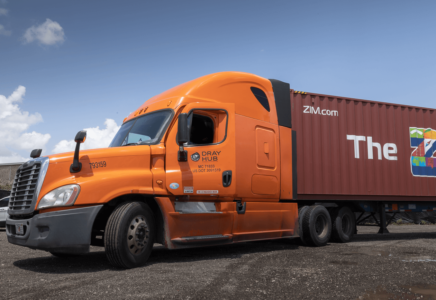
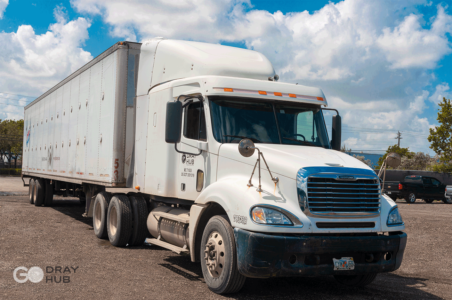
IT, T&E, and IE in-bond moves compared — when to use each, what CBP requires, and how in-bond drayage works through PortMiami and Port Everglades.
In-Bond Container Moves: IT, T&E, and IE Explained
In-Bond Container Moves: IT, T&E, and IE Explained
Not every container that lands in Miami is meant to be entered in Miami. Sometimes the goods are destined for another U.S. port, sometimes they are being re-exported, and sometimes they are headed to a bonded facility. In all three cases the container moves in bond — meaning duty has not been paid and CBP still has control of the cargo. Getting the paperwork type right is what keeps that move legal and on schedule.
The three in-bond types
IT — Immediate Transportation
Moves cargo from the arrival port to another U.S. port, where the formal entry will be filed. Used when a shipment arrives at PortMiami but the importer wants to clear it in Atlanta, Charlotte, or wherever their broker and inland warehouse are. Duty is assessed at the destination port, not at Miami.
T&E — Transportation and Exportation
Moves cargo across U.S. territory for the purpose of exporting it from a different port. Common in South Florida for cargo transshipping to the Caribbean and Latin America — the goods enter the United States physically but never enter U.S. commerce, so no duty is owed.
IE — Immediate Exportation
Cargo is exported from the same port where it arrived. Also common in Miami transshipment, where a box discharges and is reloaded on another vessel without an inland move at all.
What the in-bond process actually looks like
- The in-bond application is filed electronically with CBP before the move, and CBP authorizes it.
- The container is picked up under the in-bond authorization by a bonded carrier.
- The container moves under seal to the destination port or bonded facility.
- Arrival is reported to CBP within the required window.
- At destination, the entry is filed (IT) or the export is proved (T&E, IE) and the in-bond is closed.
Two of those steps trip people up. The seal cannot be broken in transit, which rules out transloading or partial delivery along the way. And arrival reporting is a hard requirement — an unclosed in-bond is an open liability against somebody’s bond.
Why importers use in-bond moves
- Cash flow. Duty is deferred until the entry is filed at the destination port.
- Broker consolidation. One broker and one clearance location instead of a broker at every arrival port.
- Transshipment. Cargo bound for the Caribbean or Latin America can transit Miami without entering U.S. commerce or incurring duty.
- Bonded storage. Goods can sit in a bonded warehouse while the importer decides on entry, re-export, or partial withdrawal.
If the goal is deferral plus flexibility rather than a move, a foreign trade zone may fit better — our FTZ drayage guide compares the two.
Where in-bond moves go wrong
Nobody owns the bond question. The importer assumes the carrier is bonded; the carrier assumes the forwarder arranged it. Ask directly and get it in writing.
The in-bond is filed late. The authorization has to exist before pickup. Filing it while a driver waits at the terminal wastes the appointment and burns free time.
Transit time is underestimated. In-bond windows are finite. A Miami-to-inland move that sits in a yard over a weekend can blow the window.
The seal is broken. Any break in the seal, including for a well-intentioned inspection, is a compliance problem.
Arrival is never reported. The in-bond stays open on CBP’s books and surfaces later as a penalty notice.
South Florida specifics
Miami’s role as a Caribbean and Latin American gateway means T&E and IE volumes here are unusually high relative to other U.S. ports. A container can discharge at PortMiami, move under bond to a Medley or Doral consolidation facility, be reworked for a Caribbean destination, and go back out through Port Everglades — all without a consumption entry. That is a normal week in this market, but it requires a drayage carrier that holds a customs bond and understands the reporting obligations. Our bonded container drayage page covers our own bond and capabilities.
Working with Go Drayage
Go Drayage is licensed by U.S. Customs under bond number LBR8 and runs a secured five-acre yard in Miami with capacity for over 450 containers. We handle in-bond pickups from PortMiami and Port Everglades, seal integrity in transit, and arrival reporting coordination with your broker. Get in touch through our contact page or request a quote.
Frequently asked questions
Do I need a customs bond for an in-bond move?
Yes. In-bond transportation is secured by a customs bond, normally the carrier’s or the bonded warehouse’s, not the importer’s continuous bond. Confirm who is providing the bond before the move is arranged rather than discovering the gap at the terminal.
How long do I have to complete an in-bond move?
CBP sets a maximum transit period for in-bond shipments, and it is materially shorter than most importers assume. Late arrival at the destination port triggers an exception report and can lead to penalties, so treat the in-bond window as a hard deadline and build the drayage schedule around it.
Can a container go in-bond after it has already been entered for consumption?
No. Once an entry for consumption is filed and the goods are released into commerce, the in-bond option is gone. The decision has to be made before entry, which is why it belongs in your planning conversation, not your problem-solving one.