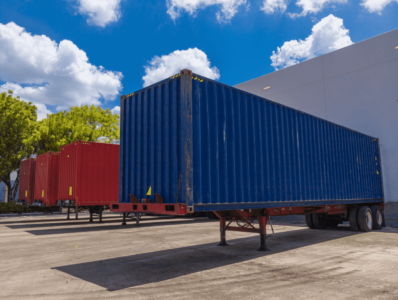
What a pre-pull is in container drayage, when it saves money versus demurrage, and how yard storage works for PortMiami and Port Everglades imports.
What Is a Pre-Pull in Drayage?
What Is a Pre-Pull in Drayage?
Every importer eventually runs into the same squeeze: a container is discharged at PortMiami on a Thursday, the free time at the terminal runs out Monday, and your warehouse can’t take delivery until Wednesday. Left alone, that container starts accruing demurrage the moment its free time expires. A pre-pull is the standard tool drayage carriers use to break that squeeze, and understanding how it works can save you real money on almost any import program moving through South Florida.
What is a pre-pull?
A pre-pull is when your drayage carrier picks up a loaded container from the port terminal before its last free day, then stages it at the carrier’s own yard instead of delivering it straight to your dock. The container waits there, secure and off the terminal’s clock, until your receiving team is ready. When your delivery window opens, the carrier completes the final leg to your warehouse.
In practice, a pre-pull turns one move into two: terminal to yard, then yard to consignee. You pay a pre-pull fee and usually a daily yard storage charge, but you stop the far more expensive meter that matters, which is terminal demurrage. If the concept of free time is new to you, our guide to the last free day in drayage explains how terminals calculate it and why it drives so many dispatch decisions.
Pre-pull vs. demurrage: when does it save money?
Demurrage rates at container terminals typically escalate the longer a box sits, with daily charges that step up after the first few chargeable days. A pre-pull plus a few days of yard storage is generally a flat, predictable cost. That difference in structure is the whole game.
A typical Miami scenario
Say a 40ft container discharges at PortMiami and your distribution center in Medley can’t receive it until five days after the last free day. Letting it sit at the terminal means five days of escalating demurrage, plus the risk that the terminal’s stacking and congestion delay the eventual pickup. Pre-pulling it before the last free day means one known fee and a handful of predictable yard storage days. On most lanes and most weeks of the year, the pre-pull option is the cheaper and lower-risk path, and it gets more attractive the longer your delivery delay runs.
There are cases where a pre-pull isn’t worth it. If your warehouse can flex to take delivery within free time, a straight container drayage move is always the cleanest option. And remember that a pre-pulled container is usually still on the ocean carrier’s per-diem clock, so the goal is to unload and return the empty promptly either way.
How pre-pulls work with yard storage
A pre-pull is only as good as the yard behind it. Go Drayage stages pre-pulled containers at our 5-acre secured yard in Miami, minutes from both PortMiami and Port Everglades. The yard offers 24/7 access, capacity for more than 450 containers and trailers, and on-site forklifts rated at 19,000 and 40,000 pounds for customers who need cargo handled or transloaded while a box is staged. Because the yard, trucks, and drivers all belong to one asset-based operation, there’s no coordination gap between the company that pulled your container and the company storing it.
That combination also opens up options beyond simply parking a box. Some customers use yard storage to buffer inventory during peak season, stage containers for scheduled appointment deliveries, or hold equipment over a weekend when receiving is closed.
When a pre-pull makes sense
- Your last free day lands before your delivery appointment. The classic case, and the easiest savings to capture.
- Vessel bunching floods your receiving schedule. When two or three ships discharge your cargo in the same week, pre-pulls let you meter containers into the warehouse at a workable pace.
- Weekend and holiday gaps. A Friday discharge with a Monday-only dock is a demurrage trap; a pre-pull closes it.
- Chassis or appointment scarcity. Securing the container early protects you from terminal congestion and equipment shortages later in the week.
- Hurricane season contingencies. In South Florida, a storm watch can compress everyone’s trucking schedule at once. Having your container already out of the terminal and in a secure yard removes one variable.
Planning pre-pulls in South Florida
The pre-pull decision comes down to timing, and timing depends on visibility. Go Drayage dispatches its own fleet daily into PortMiami and Port Everglades and tracks every container through our Go Truck Hub TMS, so customers can see where a box is and make the pre-pull call before free time runs out rather than after. If you have a shipment arriving and a delivery schedule that doesn’t line up, call (786) 445-0150 or reach out through our contact page and we’ll walk through whether a pre-pull is the right move for that container.
Frequently asked questions
What does pre-pull mean in drayage?
A pre-pull is when a drayage carrier picks up a loaded container from the port terminal before its last free day and stages it in the carrier’s secure yard until the consignee is ready for delivery. It stops terminal demurrage from accruing.
Is a pre-pull cheaper than paying demurrage?
Usually, yes. Demurrage charges typically escalate each day a container sits past free time, while a pre-pull fee plus yard storage is flat and predictable. The longer your delivery delay, the more a pre-pull tends to save.
Does a pre-pull stop per-diem charges too?
No. Per-diem is charged by the ocean carrier for keeping its container after it leaves the terminal, so the clock generally keeps running while a box sits in a yard. A pre-pull addresses demurrage; returning the empty promptly addresses per-diem.