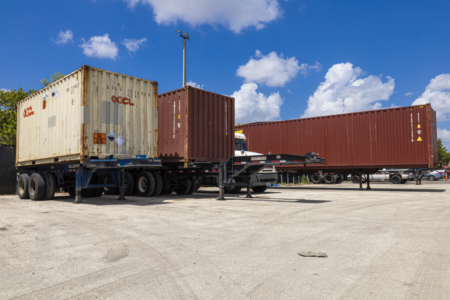
Per diem charges start when your container leaves the port and stop only at return. Learn how Miami importers manage empty returns and dual moves.
Empty Container Returns: How to Stop Per Diem Charges
Empty Container Returns: How to Stop Per Diem Charges
Importers obsess over getting containers out of the terminal — then leak money getting the empties back in. The return leg has its own deadline, its own congestion problems, and its own billing clock. Here’s how the empty return actually works in South Florida and how disciplined carriers keep per diem off your invoice.
The per diem clock, explained
The moment your loaded container exits the terminal gate, the ocean carrier’s equipment clock starts. You get a set number of equipment free days; after that, per diem (detention) accrues daily until the empty is returned to an approved location. Rates escalate, and disputes are notoriously hard to win after the fact.
Two details trip up even experienced importers:
- The return location can change. Ocean carriers redirect empty returns between terminals and depots based on space and vessel schedules. The depot that took yesterday’s empty may refuse today’s.
- Appointments apply to empties too. No return slot means no return — but the clock keeps running.
What a good empty-return process looks like
Unload fast, notify faster
The per diem clock doesn’t care when your warehouse finished devanning — it cares when the box hits the terminal. The day cargo is out, your dray carrier should know.
Verify the current return location every time
Before dispatching an empty, we check the carrier’s live return matrix. Driving an empty to the wrong depot burns a move and a day. This verification step is standard in our container drayage dispatch.
Stage empties when returns are blocked
When a carrier’s depot is full — common after peak vessel weeks — empties can wait in our secured yard instead of your dock, freeing your doors while we watch for return windows. You keep documentation showing the return was attempted, which strengthens per diem disputes.
Run dual transactions where possible
The most efficient move in drayage: the truck returns your empty and pulls your next import in the same terminal trip. Dual transactions cut cost per container and halve your gate exposure. They take planning — volume, timing, and a dispatcher watching both directions, coordinated through our Go Truck Hub TMS and visible on the shipment tracker.
When per diem is worth disputing
Carriers do waive or reduce per diem in documented situations: no return appointments available, changed return locations announced late, or terminal closures (weather shutdowns happen in Florida). The key word is documented — timestamped appointment screenshots, return-matrix captures, and dispatch records. An organized dray partner builds that file as a byproduct of normal work.
The math importers should run
Per diem typically costs several times a day of commercial yard storage. So the rule of thumb: never let an empty sit anywhere unmanaged. Either it’s scheduled for return within free days, staged in a yard with a documented return plan, or cycled into a dual move. If your current process is “the warehouse calls when it’s empty,” you’re funding the ocean carrier’s equipment program.
Want the return leg handled inside the same operation that runs your imports? Get a lane rate from the drayage calculator or call (786) 445-0150 — and see our container freight station if devanning speed is the bottleneck.
Frequently asked questions
When do per diem charges start on an import container?
After the ocean carrier’s equipment free days expire, counted from when the container left the terminal. The clock runs until the empty is returned to an approved location.
What if the terminal won’t accept my empty return?
Document everything — appointment unavailability, changed return locations, closures — and stage the empty at a secure yard meanwhile. Documented blocked returns are the strongest basis for per diem disputes.
What is a dual transaction in drayage?
One terminal trip that returns an empty and picks up a loaded container. It cuts per-container drayage cost and reduces per diem exposure by putting empties on a schedule.