

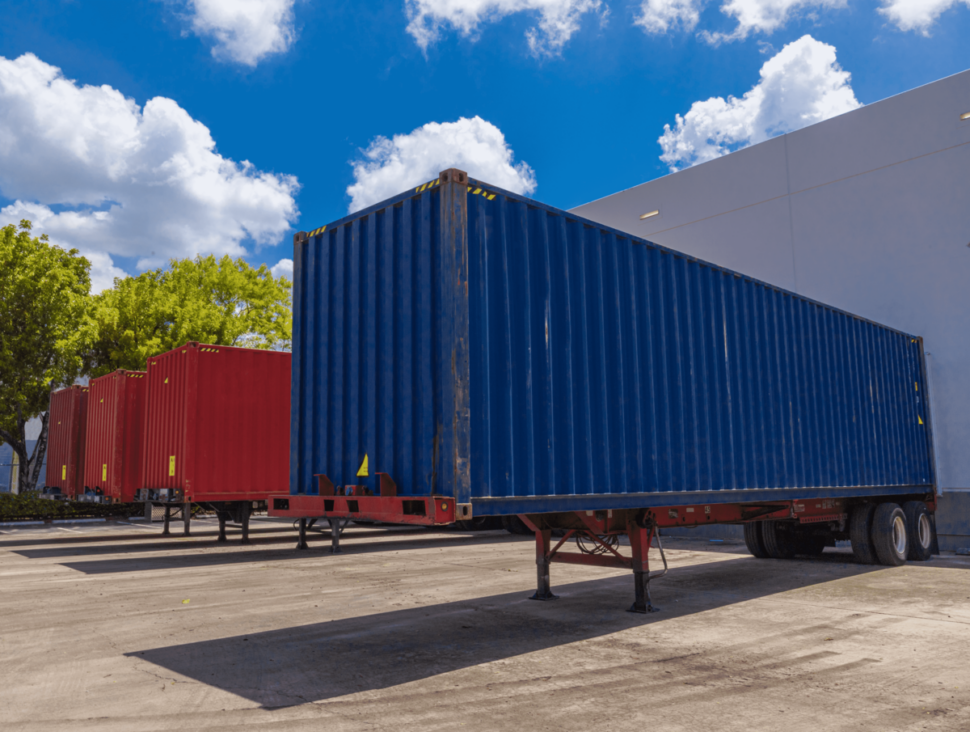
A frozen shrimp container and a dry container of furniture are the same steel box with completely different failure modes. One gets expensive when it sits too long. The other gets destroyed. Everything about how you plan a seafood move through PortMiami or Port Everglades should follow from that difference.
The cold chain has three handoffs, and each one is a gap
Between the vessel and your cold storage door, a reefer container loses its power source three times unless somebody plans around it:
- Discharge to terminal plug. The box comes off the ship and has to get racked and plugged. That window is normally short, but it is not zero, and it stretches when a vessel discharges heavy volume.
- Unplug to genset. The container is unplugged at the terminal, moved to the truck, and put on genset power. This is the gap you control.
- Genset to consignee. Arrival at the cold storage or processing facility, where it gets plugged back in or stripped straight into a cooler.
Frozen seafood at deep-freeze setpoints has real thermal mass and tolerates a short unplugged window. Fresh and chilled product does not. Neither tolerates the situation where the box gets pulled, sits on a chassis at a yard on a Miami afternoon, and nobody notices the genset ran out of fuel. That is the single most common way a perishable load is lost on the ground leg, and it has nothing to do with the ocean carrier.
Ask about genset fuel, not just genset availability
“We have gensets” and “our gensets are fueled, tested, and monitored on every move” are different statements. A clip-on genset has a finite run time. If a container may sit overnight or over a weekend, you need either a fueling plan or a plug. We run company-owned drayage equipment, which means the genset, the chassis, and the driver are all on the same dispatch — there is no subcontractor in the middle deciding whether refueling is their problem.
Set point, pretrip, and the paper you’ll want if something goes wrong
Before the container leaves the terminal, three things should be captured and timestamped: the set point on the controller, the return-air or supply-air reading, and the condition of the unit. If you ever need to make a cargo claim or argue about who owned the temperature excursion, that record is the case. Without it you are in a swearing match with the ocean carrier about a box that has since been stripped and returned.
Ask your drayage provider to photograph the controller display at pickup and again at delivery, and to note the exact time the unit went from terminal plug to genset and from genset to consignee power. Every move we run is visible in real time through Go Truck Hub, so those timestamps aren’t a phone call, they’re a record.
FDA prior notice and why release timing drives everything
Imported food requires FDA prior notice, and for cargo arriving by water it must be submitted no less than eight hours before arrival at the port of arrival. That filing is your customs broker’s job, not your trucker’s, but the drayage consequence is direct: a prior notice problem means the container is not released, and an unreleased reefer is a reefer accruing free time on a clock you cannot use.
Seafood also sits under FDA’s seafood HACCP program, and depending on species and origin you may be looking at import alerts, NOAA Seafood Import Monitoring Program data requirements, or Lacey Act considerations. None of that is drayage, and none of it should be handled by guesswork — work it with a licensed customs broker before the vessel arrives. What you want from the trucking side is that the equipment is staged and ready the moment release drops, because on perishables the value of being first in line is real.
Exams are the scenario to plan for
An FDA or CBP exam on a perishable container is a different animal than an exam on dry goods. The box has to move to an exam site, be opened, potentially be sampled, and be reclosed, all while the cargo needs power. Confirm in advance that the exam facility can plug the unit or that your carrier will keep a fueled genset on it throughout. Our guide to customs exams for Miami importers covers how the different exam types unfold and what they cost you in time.
Where transloading helps, and where it hurts
Transloading a reefer container into refrigerated trailers or straight into a cooler can save real money on the inland leg and gets the ocean carrier’s equipment back fast, which stops per diem. The trade-off is one more temperature handoff and one more handling event on product that bruises, thaws, or picks up an odor.
It makes sense when the container is going to multiple consignees, when the inland destination is far enough that a 53-foot reefer trailer beats a container on a chassis, or when you need the box returned immediately. It does not make sense for a single-drop load going twenty miles. Our container transloading guide lays out the math, and our bonded CFS — Go Drayage is licensed by U.S. Customs under bond #LBR8 — handles product that needs to be worked before it moves inland.
Miami-specific realities worth building into the plan
- Heat load. A reefer working against a South Florida summer afternoon burns more fuel and holds temperature less forgivingly than the same unit in a mild climate. Build slack into genset fuel planning, not into the schedule.
- Plug capacity is finite. Terminal reefer racks have a fixed number of slots. Heavy perishable weeks, and produce seasons in particular, put pressure on them.
- Cold treatment cargo has its own rules. If your container is under a USDA cold treatment protocol, the temperature record is a compliance document, not just a quality record. See cold treatment produce drayage for how those moves differ.
- Hurricane season. Power, fuel, and gate access all get unreliable at the same moment. A perishable importer should have a written contingency before June. Ours is outlined in the hurricane season drayage contingency post.
Move the box first, sort the rest after
On perishables, speed of pickup is the cheapest insurance you can buy. Every hour the container is not moving is an hour of risk you’re carrying for free. If you’re bringing seafood or other temperature-sensitive cargo through PortMiami or Port Everglades, tell us the commodity, the set point, and the vessel — we’ll build the pickup around the release, not around the appointment that happens to be open. Request a drayage quote or reach the team through our contact page. More on refrigerated moves in our reefer container drayage in Miami overview.
Frequently asked questions
How long can a reefer container stay unplugged during drayage?
It depends entirely on the commodity, the set point, ambient temperature, and how well the container is loaded. Deep-frozen product with good airflow and a full load has meaningful thermal inertia, while fresh and chilled seafood has very little margin. The safe operating assumption in South Florida is that the unplugged window should be measured in minutes, not hours, and that any container expected to sit should be on a fueled genset or back on a plug.
Who is responsible for FDA prior notice on an imported seafood container?
Your licensed customs broker or filer submits prior notice to FDA, and for cargo arriving by water it must be filed no less than eight hours before arrival at the port of arrival. The drayage carrier does not file it. The connection matters operationally because a prior notice problem holds up release, and an unreleased reefer keeps burning free time you cannot use. Confirm filing status with your broker before the vessel arrives.
Should I transload a seafood container or deliver it live?
Deliver live when there is a single consignee within a short radius and the receiving facility can strip the container promptly. Transload when the freight is splitting to multiple destinations, when the inland run is long enough that a refrigerated trailer is more economical, or when you need the ocean carrier’s equipment returned immediately to stop per diem. Every transload adds a temperature handoff and a handling event, so it should buy you something concrete.