


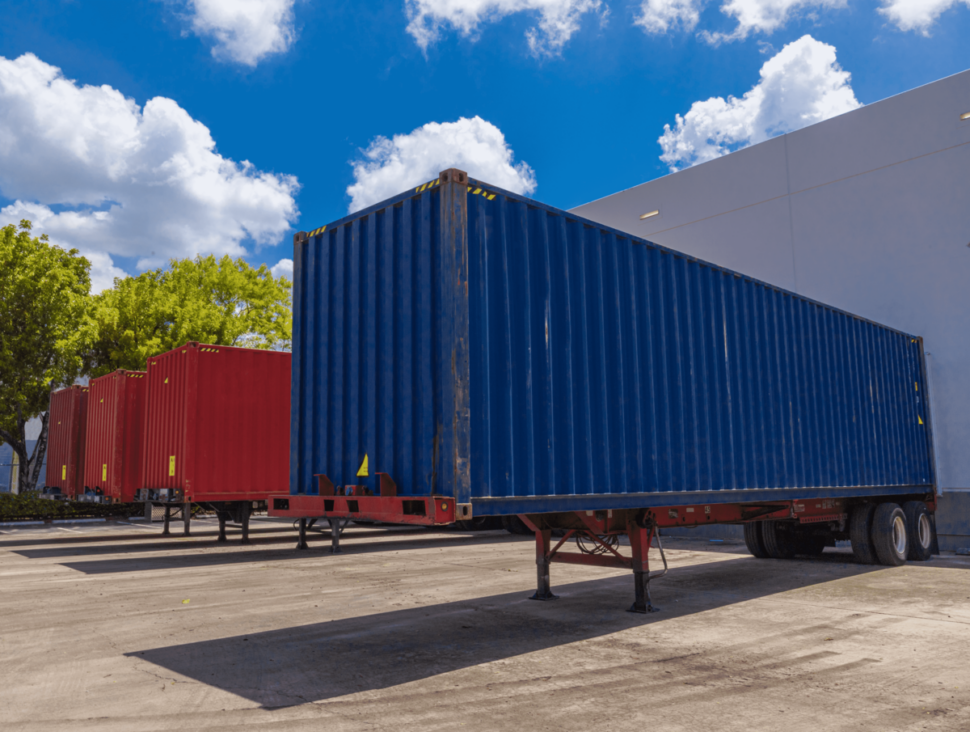
A restaurant or hotel opening has hundreds of moving pieces, and furniture, fixtures and equipment, known as FF&E, tend to be the ones with the longest lead times. Custom tables from Italy, kitchen equipment from Spain, lighting from Asia and bar stools from Mexico may all be on different vessels. If the building is not ready when the containers arrive, you face storage costs, demurrage and a crew standing around. Here is how to plan the drayage side of a Miami hospitality project.
Start with the construction timeline, not the ship
Importers often book the cargo first and then try to fit it into the schedule. A better approach is to work backward from the day the space can receive goods. Ask the general contractor when floors, ceilings, elevators and loading access will be finished, and which trades must be done before furniture can go in. Then build a delivery plan that matches. Our article on blank sailings and slipping ETAs explains why vessel dates move and why you need a buffer.
Key planning issues
Mixed cargo and multiple shipments
Hospitality projects usually involve several suppliers and containers. Decide in advance whether each container goes straight to the site or whether cargo should be consolidated at a facility, inspected and then released to the site in the order the installers need it. Our container freight station and transloading services support this approach.
Storage when the site is not ready
If containers arrive before the site is ready, you have three choices: pay container storage and per diem, store the loaded container in a secure yard, or unload into a warehouse. Compare them in yard storage versus warehousing, and learn about charges in demurrage, detention and per diem.
Access at the final location
Restaurants in dense areas like Wynwood, Brickell, South Beach and the Design District often have limited loading space. Read our guide to delivering a container to Brickell, Downtown or Miami Beach, and consider delivering the cargo in smaller trucks from a nearby facility.
Protecting valuable and fragile goods
Custom millwork, stone tops, glass and commercial kitchen equipment are costly to replace and slow to remanufacture. Confirm the packing method with suppliers, photograph the cargo at loading if possible, and insure it for replacement cost and delay. Our cargo insurance guide and cargo damage claims guide are useful references. For stone and slab items, see tile, stone and slab drayage.
Customs, permits and paperwork
Commercial kitchen equipment, electrical items and some materials may need specific documentation or compliance checks. Work with a licensed customs broker, and understand the difference between their role and the drayage carrier’s; see customs broker versus drayage carrier roles. Hotels may also bring in goods under temporary or duty-managed programs; ask your broker which applies.
A simple opening-date checklist
- Confirm the site’s receiving date and hours with the contractor.
- List each container, supplier, ETA and what the installers need first.
- Decide on direct delivery, transload or storage for each container.
- Arrange labor and equipment at the site, and the elevator or dock reservation.
- Share the plan with your carrier and request a quote through our quote page.
Frequently asked questions
What does FF&E stand for?
It stands for furniture, fixtures and equipment, the movable items such as tables, chairs, lighting, kitchen equipment and decor used to fit out a restaurant or hotel.
Should every FF&E container go directly to the restaurant?
Not necessarily. If the site is small or not ready, it can be better to receive and inspect goods at a warehouse or freight station and deliver them in the order they are installed.
How can I avoid storage charges if the site is delayed?
Plan a buffer in the schedule, ask about free time before shipping, and use a secure yard or warehouse for loaded containers rather than leaving them at the terminal.