

South Florida is America’s front door for perishables — Latin American produce, seafood, flowers, and pharmaceuticals pour through PortMiami and Port Everglades year-round. Every one of those refrigerated containers needs a dray leg where the cold chain is easiest to break. Here’s how professional reefer drayage protects it.
What makes a reefer move different
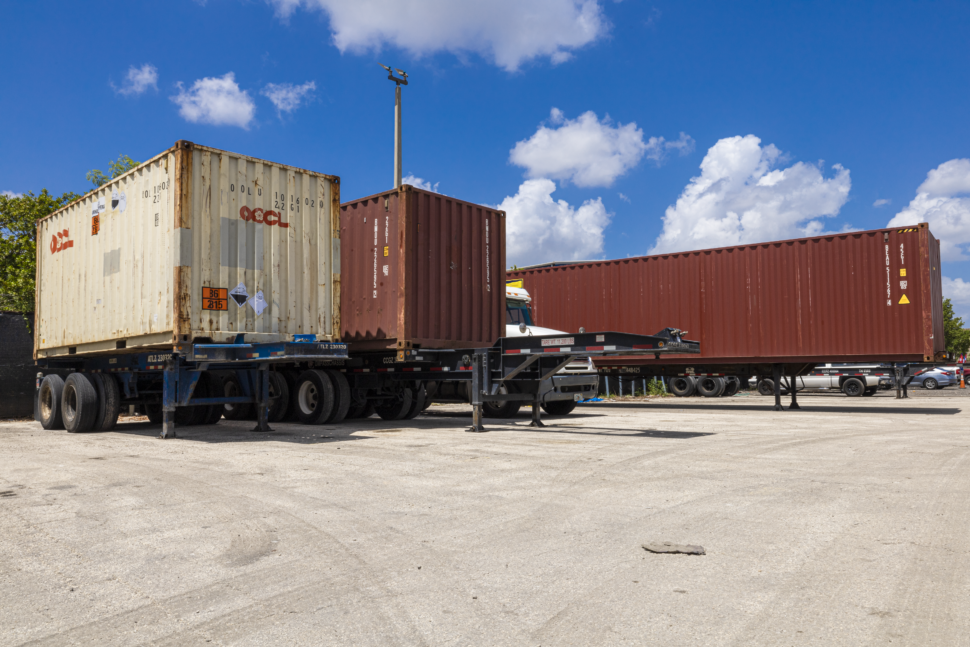
A refrigerated container (reefer) runs its own cooling unit, but that unit needs power. At sea it plugs into the vessel; at the terminal it plugs into reefer racks. The vulnerable window is the road: once unplugged for the dray, the box relies on insulation alone — or on a genset, a diesel generator mounted to the chassis that powers the unit in transit.
Whether you need a genset depends on transit time, commodity tolerance, and ambient heat. In a Miami summer, insulation alone protects cargo for only a short window; anything beyond a direct, short dray usually justifies genset power.
The four failure points in reefer drayage
1. The unplug-to-plug gap
Minimize total unpowered minutes. That means a driver ready at the terminal when the box releases and a receiving dock (or powered yard slot) confirmed before dispatch — coordination that’s core to our container drayage workflow.
2. Temperature setpoint errors
The dray carrier should verify the unit’s setpoint and mode against the booking before leaving the terminal — a two-minute check that prevents catastrophic claims.
3. Staging without power
If delivery slips, the container must stage somewhere it can stay powered and monitored. Ask your carrier whether their yard supports powered reefer staging before you need it; our secured Miami yard sits minutes from both ports for exactly these contingencies.
4. Dwell on the equipment clock
Reefers accrue per diem like any container — but a delayed reefer also burns genset fuel and risk. Live visibility through our shipment tracker keeps every stakeholder watching the same clock.
Commodities we see most in South Florida
- Produce: bananas, berries, avocados and seasonal fruit from Central and South America
- Seafood: fresh and frozen, often with tight USDA/FDA handling requirements
- Floral: especially around holiday surges, where hours matter
- Pharma and cosmetics: validated temperature ranges and documentation
- Frozen food: deep-frozen setpoints where door-open discipline matters
Each has different tolerance for temperature excursion, which should shape the dray plan: direct delivery for floral and fresh seafood; staged, genset-powered flexibility for frozen goods.
What to give your carrier for a clean reefer quote
- Commodity and required setpoint
- Container size (20ft and 40ft reefers dray differently — see our container size guide)
- Pickup terminal and delivery address with dock hours
- Whether a genset is required or requested
- Any USDA, FDA, or inspection holds expected
Then rate the move instantly — the drayage calculator quotes refrigerated moves directly, or call (786) 445-0150 for complex cold-chain routings.
Frequently asked questions
Do all reefer drayage moves need a genset?
No. Short, direct moves in mild conditions can ride on insulation alone. Longer transits, summer heat, staging time, or sensitive commodities call for genset power — decide per shipment, not by default.
Can a reefer container be stored at a yard overnight?
Only with power. Confirm your carrier’s yard can plug in or genset-power the unit and monitor temperatures overnight before relying on staged delivery.
Who is liable if cargo warms up during drayage?
It depends on where the excursion occurred and the carrier’s terms. Choose carriers that document setpoints and download unit data at interchange, so responsibility is provable rather than argued.