

Every imported container passes through two very different sets of hands before it reaches your dock. One party handles the paperwork that convinces the government your cargo may enter the country. The other party handles the steel, the chassis, and the driver who actually hauls it off the terminal. Importers new to ocean freight routinely mix the two up — and that confusion is one of the most common causes of a container sitting at the terminal accruing charges nobody planned for.
Here is a plain-language breakdown of who does what, where the handoff happens, and what you are responsible for in the middle.
What a customs broker does
A licensed customs broker is your agent in front of U.S. Customs and Border Protection. Brokers are individually licensed by CBP, and their job is regulatory rather than physical. In practice, a broker will:
- Collect your commercial invoice, packing list, and bill of lading and use them to classify your goods under the Harmonized Tariff Schedule.
- File the entry with CBP and calculate duties, taxes, and fees owed.
- Arrange or verify your customs bond — either a single-entry bond for a one-off shipment or a continuous bond if you import regularly.
- Handle partner-government-agency filings when your product falls under FDA, USDA, EPA, DOT, or similar oversight.
- Respond to CBP requests for information, exams, and holds on your behalf.
- Tell you when your entry has been released.
That last item is the one that matters most for the trucking side. Until customs releases the entry, no drayage carrier can legally pull the box.
What a drayage carrier does
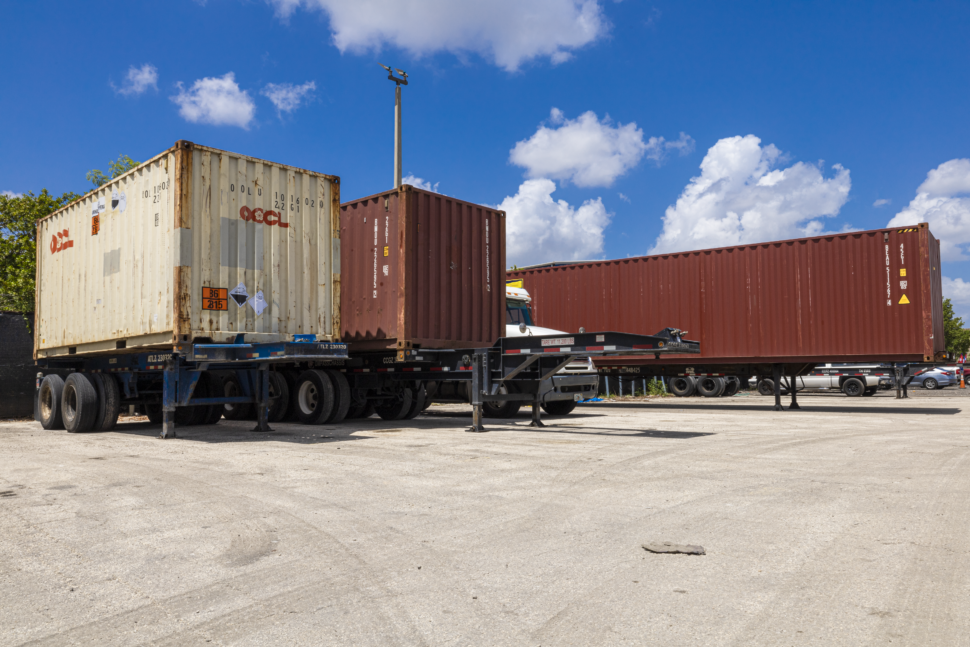
A drayage carrier is a licensed motor carrier that moves containers short distances — typically from a marine terminal or rail ramp to a warehouse, yard, or transload facility, and back again with the empty. A drayage carrier will:
- Watch the terminal system for the vessel discharge, availability status, and last free day.
- Book a terminal appointment where appointments are required.
- Supply the chassis and the driver, and confirm the container matches the booking and seal.
- Pull the container, deliver it, and either wait for a live unload or drop it for later.
- Return the empty within the free time window and document the interchange.
Because a drayage carrier operates trucks, it also carries the credentials that go with that — motor carrier authority, liability and cargo insurance, and, for terminal access, a UIIA agreement and a TWIC-carded driver workforce. Asset-based carriers like Go Drayage own their own trucks and equipment rather than brokering the move out, which is why they can commit to a pickup window with more confidence.
The handoff: three things that must line up
A container becomes truckable only when three separate clocks converge. Miss any one and the truck cannot go.
1. Customs release
Your broker files, CBP releases. If CBP issues a hold or an exam, the container is frozen until that resolves — the drayage carrier can do nothing about it.
2. Freight release from the ocean carrier or NVOCC
This one is commercial, not regulatory. The steamship line or NVOCC holds the container until ocean freight and any terminal charges are paid and the original bill of lading is surrendered or telex-released. Importers frequently assume the broker handles this. Often the broker does not.
3. Terminal availability
The box has to be discharged, grounded or stacked accessibly, and free of any terminal-side hold. Only then does the appointment become bookable. Our guide to the documents required to pick up a container walks through what each party must produce.
Who is responsible for the gaps?
The uncomfortable answer is: you are. The importer of record sits between the broker and the carrier, and neither party is contractually obligated to chase the other. Demurrage accrues to the cargo, not to whoever caused the delay, which is why demurrage, detention, and per diem so often land on an importer who thought someone else was watching.
Three habits close the gap:
- Introduce your broker and your drayage carrier directly. A five-minute email introduction, with both parties copied on the shipment, prevents most last-free-day surprises.
- Ask for release status in writing, not verbally. “Customs cleared” and “released for pickup” are not the same statement.
- Give your carrier lead time on the delivery address and receiving hours. The carrier can pre-plan the appointment only if the destination is confirmed.
When one company does both
Some logistics providers offer customs brokerage and trucking under one roof, or coordinate both through a single point of contact. That can genuinely reduce the handoff risk. It does not eliminate it — the regulatory and physical work are still separate functions with separate liabilities — but it does mean one team is watching both clocks and one invoice explains the whole move.
In South Florida, where PortMiami and Port Everglades sit less than 30 miles apart with different terminal rules, appointment systems, and free-time practices, that coordination is worth more than it sounds. If you want the trucking side handled by a carrier that owns its equipment and its Miami yard, request a drayage quote and we will tell you exactly what we need from your broker to make the pickup.
Frequently asked questions
Can my drayage carrier clear customs for me?
Not unless that company also holds a customs broker license or works with a licensed broker. Motor carrier authority and a customs brokerage license are separate credentials. Many drayage carriers will happily refer you to a broker they work with regularly, but the filing itself must be done by a licensed broker or by you as the importer of record.
Who pays demurrage if customs holds my container?
Demurrage is billed against the container by the terminal or ocean carrier, and it lands on the importer or the party named on the bill of lading. A CBP exam does not automatically waive the clock, though some terminals and carriers offer limited free time extensions for exam-related delays. Ask your broker to document the hold dates so you have grounds to request relief.
Do I need a customs broker for every import?
Legally, no — an importer may file its own entries. Practically, almost everyone uses a broker, because classification errors, bond issues, and partner-agency filings carry real penalties. Brokers are worth their fee for anything beyond an occasional low-value shipment.