

When containers arrive faster than your operation can absorb them, you have two main buffers: keep freight in the container at a secured yard, or strip it into a warehouse. They solve different problems at very different price points, and choosing wrong either wastes money or slows your supply chain. Here is a practical comparison drawn from how South Florida importers actually use both.
What container yard storage is
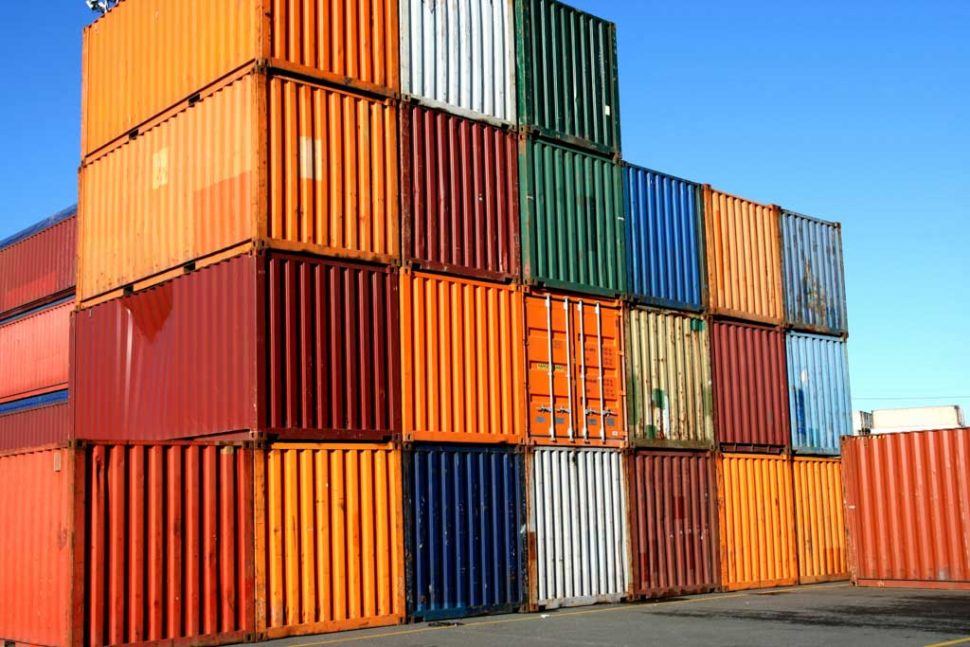
Yard storage means the loaded (or empty) container sits on a chassis or stacked in a secured, monitored lot — like the Go Drayage 5-acre facility near PortMiami with capacity for 450 containers. Freight never leaves the box. You pay a daily or monthly rate per container, dramatically less than terminal demurrage, and the container is ready to deliver on demand. Learn more on our yard storage page.
What warehousing adds
Warehousing means devanning the container and storing palletized freight indoors: racking, climate control where needed, inventory management, and pick-and-pack capability. It costs more per unit stored, but it turns a sealed box into sellable, pickable inventory and frees the container and chassis to go back to the port, stopping per diem and chassis charges.
Head-to-head comparison
Cost
Yard storage wins on pure cost: one daily rate, no handling labor. Warehousing adds in/out handling and per-pallet storage, but eliminates equipment charges. Rule of thumb: short holds favor the yard; holds beyond a few weeks usually favor devanning, because container per diem accumulates daily while pallet storage is cheap.
Speed and flexibility
A container in a yard can be on a truck to your customer within hours. Warehouse freight requires retrieval and reloading, but supports partial shipments — you can release 5 pallets today and 20 next week, which a sealed container cannot do.
Security and compliance
Both work when the facility is right. Look for 24/7 monitoring, gated access, and — for uncleared cargo — bonded status. Go Drayage’s yard is licensed by U.S. Customs, so in-bond containers and freight awaiting exams can be held compliantly alongside cleared cargo.
Cargo type
Temperature-sensitive freight needs either a genset-equipped yard slot or a climate warehouse; see our reefer drayage guide. Overweight or awkward freight may be easier left in the container until final delivery.
The hybrid play most importers land on
In practice the best answer is often sequential: pre-pull containers to the yard before free time expires, hold them at yard rates while your dock catches up, then either deliver the container or transload at the adjacent container freight station into domestic trailers or warehouse storage. You use the cheap buffer by default and pay for handling only when the freight profile demands it.
Questions to ask any storage provider
- Is the facility bonded, and can it hold in-bond cargo?
- What are gate hours — and is 24/7 access available for urgent pulls?
- How is inventory tracked, and can I see my containers online?
- What lift equipment is on site for transloading if plans change?
- How close is the yard to the terminals my lines use?
Frequently asked questions
Is yard storage cheaper than paying terminal demurrage?
Almost always. Terminal demurrage escalates daily and can reach several hundred dollars per day per container, while secured yard storage is a small flat daily rate. Pre-pulling to a yard before the last free day is one of the most reliable savings plays in drayage.
Can I store loaded containers long-term at a yard?
You can, but watch equipment charges: if the container or chassis belongs to a steamship line or pool, per diem keeps accruing. For long holds, transloading into a warehouse and returning the equipment usually costs less overall.
Do you offer both options in one location?
Yes. Go Drayage combines secured yard storage, transloading, and container freight station services at one Miami facility, so freight can move between modes without extra drayage legs.